
The hukou (户口) system is China’s household registration mechanism, often compared to an internal passport. Formalized in 1958, it continues to shape citizens’ access to education, employment, housing, and social services, making it a crucial factor for businesses operating in or with China. Originally introduced to record individuals’ place of residence and prevent urban overpopulation, the hukou system was designed to ensure social stability and support economic development by promoting an organized and productive labor force.
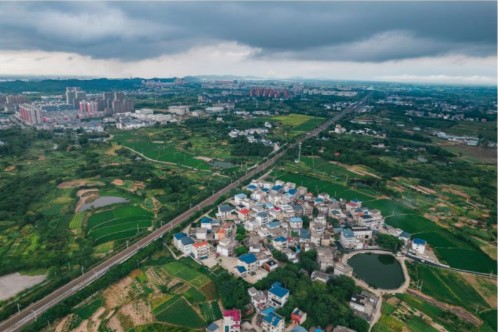
Each citizen is registered at birth with a local hukou, either rural or urban, tied to their hometown. This classification reinforces a significant urban-rural divide, as it directly influences one’s opportunities. For example, an urban hukou grants access to better healthcare, schools, and job markets in cities. In contrast, a rural hukou offers land use rights but limits access to urban services and makes relocation more difficult.
Changing one’s hukou is possible but complex. It typically requires meeting strict government criteria, such as achieving high academic or professional performance, purchasing property, or marrying someone with urban hukou status. Larger cities like Beijing or Shanghai maintain especially high thresholds, while smaller cities have eased restrictions to attract talent and investment.
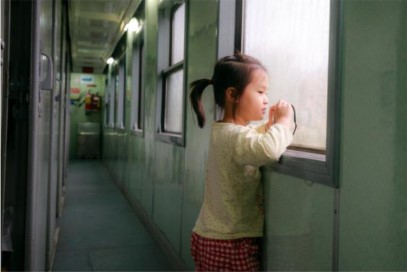
The implications of the hukou system go beyond individual mobility. For instance, many rural workers migrate to cities for employment but are unable to transfer their children’s hukou, which limits access to public education and healthcare in urban areas. As a result, many children are left behind in rural hometowns under the care of grandparents or relatives, a phenomenon known as “left-behind children”, which has long-term social impact.
That said, the Chinese government has introduced reforms in recent years to ease hukou conversion in lower-tier cities and support regional development. For businesses, especially those investing in China or hiring local talent, understanding the influence of hukou can be essential when assessing workforce mobility, employee benefits, and long-term sustainability.
Please contact the Belgian-Chinese Chamber of Commerce (BCECC) in case you need more information.