
China’s National College Entrance Examination, commonly known as the Gaokao (高考), is more than just a gateway to higher education, it plays a pivotal role in shaping an individual’s career path, social status, and even place of residence. For foreign businesses operating in China or hiring Chinese employees, understanding the far-reaching impact of the Gaokao offers valuable insight into the educational and cultural background of their workforce. It also highlights areas where employees may benefit from additional support, so as to create a new generation of global talent.
1. Introduction
Held every June over the course of two intensive days, the exam is a nationwide academic marathon in which millions of students compete for limited spots at top universities. Given the life-defining implications, the Gaokao is not merely an educational milestone, it reflects and reinforces a broader culture of ambition, pressure, and perseverance that characterizes much of Chinese society. Academic success is often viewed not only as a personal achievement, but also as a fulfillment of family expectations and a contributor to social reputation. As such, the system leaves a lasting imprint on students’ values, work ethic, and worldview, traits that carry over into their professional lives.
2. Selection to the top rank
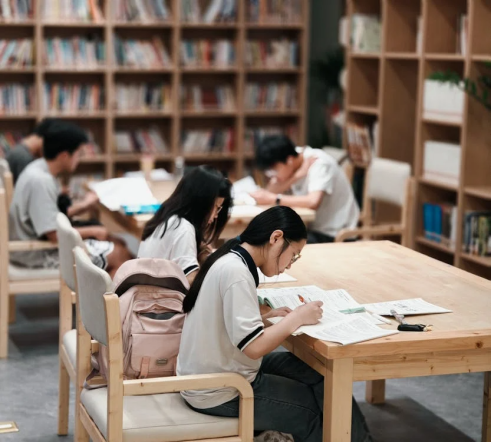
The Chinese education system is fundamentally structured around selection, ranking, and merit-based progression. From an early age, students are assessed and grouped based on academic performance, with a strong focus on subjects such as Chinese, mathematics, foreign languages, and, in many cases, sciences and humanities. The Gaokao serves as the ultimate checkpoint: a highly standardized and competitive examination that determines access to the nation’s most prestigious universities.
In 2024, over 13 million students sat for the Gaokao, yet only a small percentage secured admission to top-tier institutions. This system demands extraordinary discipline and endurance. It fosters a culture of ambition, encouraging long hours of study, private tutoring, and repeated test simulations. At the same time, it often limits time for personal hobbies, social life, and even discourages dating in the final years of school to maintain academic focus.
It is true that, this rigor is also part of a widely held national ethos: that hard work, perseverance, and educational achievement are the clearest paths to upward mobility and success. While the pressure is intense, the system inspires a sense of purpose and resilience that many students carry into their professional lives.

3. The effect on the workforce
Chinese universities now produce over 7 million graduates annually, a figure that has steadily risen over the past two decades. This rapid expansion has fueled discussions about overeducation and employment mismatches. The Gaokao, often seen as overly exam-centric and rigid, tends to steer students toward predictable and stable career paths, sometimes at the expense of innovation, entrepreneurship, and self-expression. Many students are less exposed to critical thinking, creative problem-solving, or opportunities to explore personal passions, which can lead to a delay in discovering or developing their full potential.
The system also fosters a level of homogeneity: with students following similar educational trajectories, employers may find themselves facing a relatively uniform talent pool. Additionally, hiring practices in China often favor graduates from top-ranked universities, adding pressure to succeed not just in the Gaokao, but also in securing a degree from a prestigious institution. This dynamic contributes to a strong pull toward major cities, where graduates perceive more desirable job opportunities.
However, despite its limitations, the Gaokao system is widely respected for the qualities it inspires. It produces a workforce that is highly disciplined, technically proficient, and remarkably resilient under pressure. Chinese graduates are known for their strong work ethic, reliability, time management, and respect for authority. In fields such as engineering, manufacturing, and data science, they are often globally competitive and in high demand. With the right leadership and opportunities for growth, these individuals can also thrive in more creative, collaborative, and leadership-driven roles.
4. Conclusion and advice for foreign companies
While the Gaokao system has traditionally emphasized discipline, endurance, and academic rigor, qualities that make Chinese graduates highly dependable and motivated employees, it may not always cultivate the same levels of creativity or communication skills seen in more open-ended education systems. However, this does not reflect a lack of potential, but rather a difference in formative experience. With supportive leadership, inclusive environments, and encouragement to think independently, this emerging workforce can thrive well beyond their test-taking roots. For foreign companies looking to succeed in China, understanding the cultural context of the Gaokao is not only key to effective hiring, it’s also a powerful opportunity to help shape and empower the next generation of global talent.
Please contact the Belgian-Chinese Chamber of Commerce (BCECC) in case you need more information.